Recovering from an injury can be frustrating, particularly when pain, reduced movement or weakness begins to affect your everyday activities. While every injury and recovery journey is different, a structured rehabilitation program can help you gradually rebuild strength, movement and confidence.
Clinical Pilates is an exercise-based approach that can form part of an individualised rehabilitation program. Unlike a general Pilates class, Clinical Pilates is tailored to your physical condition, movement patterns, goals and stage of recovery.
If you’re considering Clinical Pilates for injury recovery, working with a qualified health professional can help ensure your exercises are appropriate for your needs and progressed safely as you recover.
What Is Clinical Pilates?
Clinical Pilates is an individualised form of Pilates commonly used as part of exercise rehabilitation. Exercises can be adapted according to your symptoms, strength, mobility, movement control and rehabilitation goals.
At Excel Body & Health, Clinical Pilates forms part of our broader approach to exercise rehabilitation, alongside physiotherapy and osteopathy. Our practitioners work with you to understand your condition and develop a treatment and exercise plan based on your individual needs and goals.
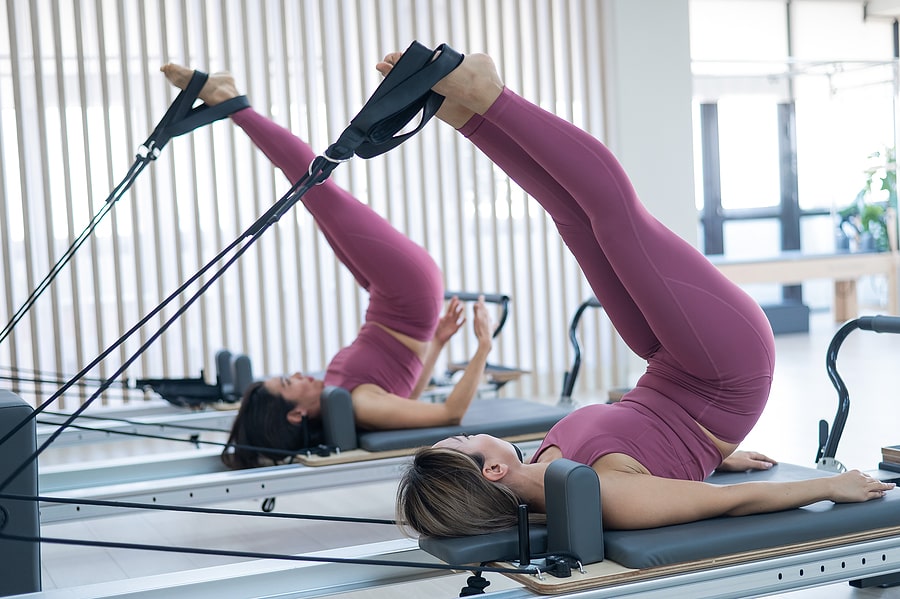
Clinical Pilates may include controlled movements, resistance exercises, core strengthening, balance activities and exercises designed to improve coordination and body awareness.
How Can Clinical Pilates Support Injury Recovery?
1. Gradually rebuilding strength
Following an injury, the muscles around the affected area can become weaker due to pain, reduced activity or periods of rest.
Clinical Pilates provides a controlled environment in which strengthening exercises can be adapted to your current abilities. As your strength improves, the exercises can be progressively modified to provide an appropriate level of challenge.
Gradually rebuilding strength is an important part of returning to everyday activities, exercise and sport.
2. Improving movement control
Injury can sometimes change the way you move. You may unconsciously avoid certain movements because they are uncomfortable, or develop compensatory movement patterns over time.
Clinical Pilates focuses on controlled, purposeful movement. With appropriate guidance, exercises can help you become more aware of how your body moves and improve your control during specific movements and activities.
3. Supporting flexibility and mobility
Reduced mobility is common following an injury, particularly if you have been avoiding certain movements because of pain or discomfort.
A tailored Clinical Pilates program can incorporate controlled movement through an appropriate range of motion. Exercises can be modified according to your injury, symptoms and stage of rehabilitation.
The aim isn’t simply to stretch as far as possible, but to gradually restore comfortable, functional movement.
4. Developing core strength and stability
Core strength and control are important components of many rehabilitation programs. Strong, well-coordinated trunk muscles provide a stable foundation for movement and can support activities involving the arms and legs.
Clinical Pilates commonly incorporates exercises targeting the trunk and postural muscles while integrating movement throughout the rest of the body.
Healthdirect also notes that Pilates can help improve posture and strengthen core muscles, which may assist with balance and movement.
5. Improving confidence with movement
After an injury, it’s common to become cautious or hesitant about certain movements. In some cases, this can lead to reduced activity and further loss of strength and conditioning.
A progressive exercise program allows movements to be gradually reintroduced at an appropriate pace. As your physical capacity improves, you may also become more confident performing everyday activities and returning to exercise.
6. Supporting a progressive return to activity
Successful rehabilitation isn’t simply about reducing pain. It also involves rebuilding strength, restoring movement and gradually preparing your body for the demands of work, sport, exercise and everyday life.
Clinical Pilates exercises can be progressed as your capacity improves. Depending on your condition and goals, this might involve changing the resistance, repetitions, range of movement, balance demands or complexity of an exercise.
A qualified practitioner can help determine when and how your exercises should be progressed.
What Injuries Can Clinical Pilates Help With?
Clinical Pilates can be incorporated into rehabilitation programs for a range of musculoskeletal conditions. Depending on your individual assessment and treatment plan, it may be used as part of rehabilitation for:
- Lower back pain
- Neck and upper back pain
- Shoulder problems
- Hip pain
- Knee pain
- Ankle and foot conditions
- Muscle strains
- Joint-related problems
- Sports injuries
- General weakness following injury
- Postural and movement-related problems
The appropriate exercises will depend on your specific condition, symptoms and goals. Clinical Pilates shouldn’t be considered a one-size-fits-all treatment.
Research suggests that Pilates may be a useful exercise approach for some musculoskeletal conditions. A 2025 systematic review found that Pilates was associated with reductions in pain and disability and improvements in quality of life among people with musculoskeletal conditions affecting the extremities. However, the researchers noted that the certainty of the evidence was very low and that Pilates hasn’t been established as superior to other forms of exercise.
This reinforces the importance of individualising rehabilitation rather than relying on a standard exercise routine.
Clinical Pilates vs General Pilates: What’s the Difference?
Although both use Pilates-based movements, there are some important differences in how the exercises are selected and delivered.
General Pilates classes are usually designed to improve overall fitness, strength, mobility, coordination and wellbeing.
Clinical Pilates is specifically adapted to an individual’s physical condition, limitations and rehabilitation goals. It can form part of a physiotherapy or exercise rehabilitation program, with exercises modified as your condition and abilities change.
If you’re recovering from an injury, an assessment with an appropriately qualified health professional can help determine whether Clinical Pilates is suitable for you and which exercises may be most appropriate.
What Happens During a Clinical Pilates Program?
Your program will vary depending on your injury and goals, but it will generally involve several stages.
Initial assessment
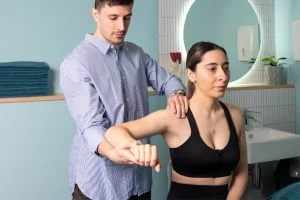
Your practitioner will discuss your symptoms, medical history, lifestyle, physical activities and rehabilitation goals. They may also assess your movement, strength, mobility and other relevant factors.
Individualised exercise selection
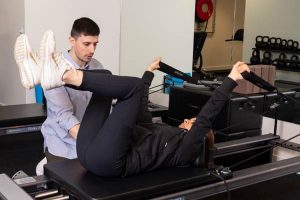
Exercises are selected according to your current abilities and rehabilitation needs. Movements can be modified to accommodate limitations or reduce discomfort where appropriate.
Gradual progression
As your strength, movement and confidence improve, your exercises can be progressed. This may involve increasing resistance, repetitions, range of movement or exercise complexity.
Ongoing monitoring
Your response to exercise is an important part of the rehabilitation process. Your practitioner can adjust your program based on changes in your symptoms, physical function and overall progress.
Can Clinical Pilates Be Used Alongside Physiotherapy?
Yes. Clinical Pilates can be incorporated into a broader physiotherapy or exercise rehabilitation program when appropriate.
Physiotherapy may involve assessment, education, manual therapy and prescribed exercise, while Clinical Pilates can provide a structured way to further develop strength, movement control and physical capacity.
At Excel Body & Health, physiotherapy and Clinical Exercise & Pilates are offered as part of our multidisciplinary approach to helping patients improve their function and work towards their health and movement goals.
When Should You Start Clinical Pilates After an Injury?
There is no single timeframe that applies to every injury. The right time to begin will depend on factors including:
- The type and severity of your injury
- Whether surgery was involved
- Your current pain and symptoms
- Your mobility and strength
- Your stage of rehabilitation
- Your medical history
- Your work, exercise or sporting requirements
Starting with exercises that are too demanding may aggravate symptoms, while avoiding movement for too long can contribute to weakness and reduced physical capacity.
If you’re unsure when to begin exercising following an injury, seeking guidance from an appropriately qualified health professional can help you determine the most suitable approach.
How Can You Get Started With Clinical Pilates for Injury Recovery?
If you’re recovering from an injury and considering Clinical Pilates, an appropriate assessment is a good place to start.
At Excel Body & Health in Rosanna, our experienced physiotherapists and osteopaths provide individualised care and exercise rehabilitation. Clinical Pilates is available as part of our range of services, with programs tailored to your individual needs, abilities and goals.
Our clinic is located at 112 Lower Plenty Road, Rosanna VIC 3084, and we regularly see patients from surrounding areas including Heidelberg, Viewbank, Macleod, Watsonia, Ivanhoe, Bulleen, Reservoir and Preston.
Frequently Asked Questions About Clinical Pilates and Injury Recovery
Is Clinical Pilates good for injury recovery?
Clinical Pilates can be a useful component of an individualised rehabilitation program for some musculoskeletal conditions. It can help develop controlled movement, strength, mobility, stability and functional capacity. Whether it’s suitable for you will depend on your injury and individual circumstances.
How often should I do Clinical Pilates after an injury?
The appropriate frequency depends on your injury, stage of rehabilitation, exercise tolerance and goals. Your physiotherapist or qualified practitioner can recommend an appropriate schedule and adjust it as your recovery progresses.
Can Clinical Pilates help with back pain?
Clinical Pilates may be incorporated into an exercise program for people with back pain. Research has found benefits from Pilates-based exercise for some people with musculoskeletal conditions, although results vary and Pilates isn’t necessarily more effective than other appropriate forms of exercise.
Is Clinical Pilates suitable for beginners?
Yes. Clinical Pilates can be adapted to different levels of fitness and experience. Exercises can be modified according to your strength, mobility, symptoms and rehabilitation needs.
Can I do Clinical Pilates if I have an old injury?
Potentially, yes. A previous injury doesn’t automatically prevent you from participating in Clinical Pilates. An assessment can help determine which exercises are appropriate for you and whether any modifications are required.
Is Clinical Pilates the same as physiotherapy?
No. Clinical Pilates is an exercise-based approach that can be incorporated into rehabilitation, while physiotherapy is a broader healthcare profession involving assessment, diagnosis within scope, treatment, education and rehabilitation.
Clinical Pilates may form one component of a physiotherapy-led rehabilitation program.
Can Clinical Pilates prevent future injuries?
Exercise that improves strength, movement capacity and physical conditioning may contribute to overall physical health and injury risk management. However, no exercise program can guarantee that an injury won’t occur.
A suitable rehabilitation and conditioning program should be based on your individual needs, activities and goals.
Should I see a physiotherapist before starting Clinical Pilates after an injury?
If you’re recovering from an injury, particularly one that is significant or persistent, an assessment with a qualified health professional can help determine whether Clinical Pilates is appropriate and how your exercises should be modified.
Take the Next Step in Your Recovery
Recovering from an injury takes time, and the right exercise program can play an important role in rebuilding strength, movement and confidence.
Clinical Pilates can provide a structured and adaptable way to work on strength, stability, mobility and movement control as part of an appropriate rehabilitation plan.
If you’re recovering from an injury and would like to know whether Clinical Pilates is suitable for you, speak with the team at Excel Body & Health in Rosanna to discuss your individual needs and rehabilitation goals.