
Maintaining musculoskeletal health is essential for long-term mobility, comfort, and daily function. Many people notice changes gradually: tight hips, a stiff lower back, reduced shoulder mobility, or tension that builds over time.
These concerns often require a structured assessment and a holistic approach to care. Osteopathy aims to play a supportive role in this process, particularly for people seeking osteo in Rosanna delivered through a whole-body, patient-centred lens.
Osteopathy views the body as an interconnected system, recognising that movement, posture, muscle tone, and joint mechanics influence each other. By exploring the underlying contributors to discomfort rather than focusing on symptoms alone, osteopaths aim to improve mobility, coordination, and structural balance.
To discuss your musculoskeletal concerns with an osteopath in Rosanna, contact our team at Excel Body & Health today.
Understanding Musculoskeletal Health: The Importance of Flexibility and Strength
The musculoskeletal system includes bones, joints, muscles, ligaments, tendons, and connective tissue that work together throughout every movement. When one area becomes restricted or weakened, surrounding structures commonly compensate. Over time, this may contribute to:
- Reduced flexibility
- Muscle tightness and stiffness
- Joint strain
- Altered movement patterns
- Increased susceptibility to discomfort
Healthy movement depends on a combination of adequate flexibility and functional strength. When tissues can lengthen appropriately and joints move freely, the body tends to manage load better and maintain more efficient posture and control.
Modern lifestyles, extended sitting, repetitive tasks, limited physical activity, and elevated stress all have the potential to influence musculoskeletal function and overall comfort.

How Osteopathy Supports a Holistic Approach to Musculoskeletal Wellness
Osteopathy is a form of manual therapy grounded in anatomy, biomechanics, and patient-centred evaluation. Rather than treating one area in isolation, osteopaths consider how different parts of the body interact and influence each other.
A holistic osteopathic assessment may include:
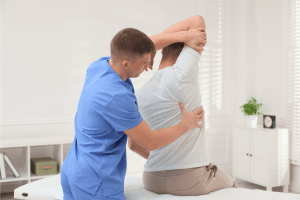
1. Postural and Movement Evaluation
Osteopaths observe how a person stands, walks, and performs certain movements. Habitual patterns, loading behaviours, and muscular imbalances may all contribute to discomfort.
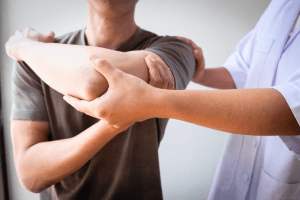
2. Joint and Soft Tissue Assessment
Range of motion, tissue quality, and musculoskeletal tension are assessed to identify potential contributors to the patient’s presentation.
3. Consideration of Neurological Influences
Pain, tension, and restricted movement may involve the nervous system. Osteopathic treatment aims to support overall mobility and comfort by addressing relevant contributing factors.
4. Individualised Treatment Planning
Treatment is tailored to the patient and informed by clinical findings, functional goals, and lifestyle considerations.
Techniques Used by Osteos to Improve Flexibility and Strength
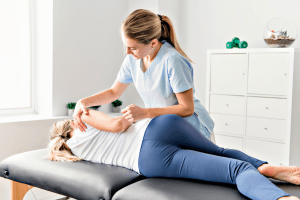
Osteopaths draw on a range of manual therapy approaches depending on the assessment and the individual needs of the patient. Common techniques used by osteos include:
1. Soft Tissue Techniques
Applied to muscles and connective tissues to support mobility and potentially reduce tension and improve circulation.
2. Joint Mobilisation
Gentle, controlled movements used to encourage joint motion and reduce stiffness.
3. Muscle Energy Techniques
These involve guided muscle contractions that may help lengthen tight tissues, support joint mobility, and improve neuromuscular coordination.
4. Myofascial Techniques
Aimed at addressing restrictions within the fascia to support smoother movement and potentially reduce tension.
5. High-Velocity, Low-Amplitude Techniques (where clinically appropriate)
Applied selectively to assist joint mobility. These techniques are not suitable for everyone and are only used when indicated following assessment.
6. Exercise and Movement Guidance
Rehabilitative exercises are often recommended to promote strength, stability, and long-term functional improvements.
Common Presentations Seen in Osteopathic Practice
People seek osteopathic care for a wide range of musculoskeletal concerns. These may include:
- Back or neck discomfort
- Postural tension
- Shoulder mobility limitations
- Hip or pelvic restrictions
- Occupational strain
- Overuse injuries
- Reduced range of motion
- Generalised tightness or stiffness
Osteopathy can also support people looking to maintain mobility, improve body awareness or enhance their overall physical function.
The Role of Flexibility in Musculoskeletal Health
Flexibility allows muscles and joints to move freely. When flexibility is limited, other areas of the body often compensate, potentially contributing to additional strain.
Supporting flexibility may:
- Reduce tension in surrounding areas
- Improve posture and walking patterns
- Support comfort during daily activities
- Promote healthier joint mechanics
Osteopathic treatment, combined with guided mobility exercises, may help improve tissue extensibility and overall movement capacity.
Why Strength Is Just as Important as Flexibility
Strength provides stability and support for the body’s structures. Without adequate strength, joints and connective tissues may be placed under increased load.
Addressing strength concerns may involve:
- Identifying underactive or fatigued muscles
- Balancing opposing muscle groups
- Supporting better movement control
- Guiding patients through safe, structured strengthening progressions
Balanced strength may contribute to more coordinated, efficient movement patterns in day-to-day life, work, and physical activity.
A Collaborative Approach to Long-Term Musculoskeletal Health
Osteopaths often collaborate with GPs and other health professionals to support integrated, well-rounded care. Education is also an important component of osteopathic management and may include:
- Ergonomic and workstation advice
- Strategies for load and activity modification
- Guidance around pacing and movement habits
- Recommendations for ongoing mobility or strength work
This collaborative, patient-centred approach aims to support sustainable improvements over time.
Supporting Long-Term Musculoskeletal Health Through Osteopathy
Osteopathy provides a structured, holistic approach to musculoskeletal care. By exploring the relationship between flexibility, strength, and movement patterns, osteopaths work with patients to support comfort, mobility, and better everyday function.
For people experiencing tension, movement limitations, or musculoskeletal discomfort, a detailed osteopathic assessment may be a valuable step toward understanding and managing these concerns.
At Excel Body & Health, we are committed to supporting people in Rosanna and surrounding suburbs with a considered, whole-body approach to osteopathic care.
If you would like to learn more or discuss your musculoskeletal concerns, reach out to our team and book an appointment today.