Recovering from an injury often involves more than resting until pain settles, and many people notice ongoing stiffness, weakness, or reduced confidence with movement even after initial healing.
Today, a structured rehabilitation approach that combines hands-on care with guided exercise may support recovery by addressing both symptoms and underlying movement patterns.
Osteopathy and Pilates are sometimes used together as part of injury management, particularly when the goal is to restore mobility, rebuild strength, and return to everyday activities in a controlled way.
For personalised advice, contact our team at Excel Body & Health today.
Understanding Injury Recovery
After an injury, the body goes through several stages of healing. While tissues may repair over time, changes in posture, muscle activation, and movement habits sometimes remain.
These compensations may place additional load on other areas of the body, which in turn may contribute to recurring discomfort or delayed recovery.
According to Healthdirect Australia, rehabilitation following injury often focuses on restoring movement, strength, and function while gradually reintroducing normal activities.
This process usually benefits from individual assessment rather than a one-size-fits-all approach.
How Osteopathy Fits Into Injury Rehabilitation
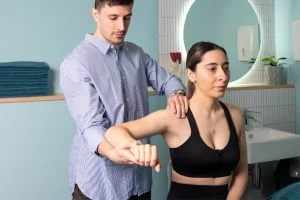
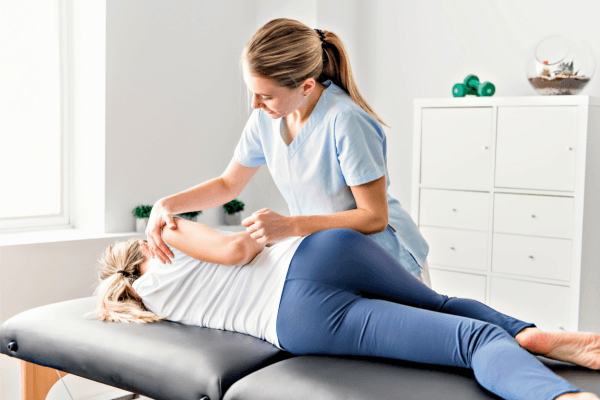
An osteopath is trained to assess how joints, muscles, nerves, and connective tissues interact, and care typically begins with a detailed history and physical examination to understand where movement restrictions or areas of strain may exist.
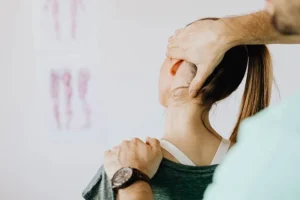
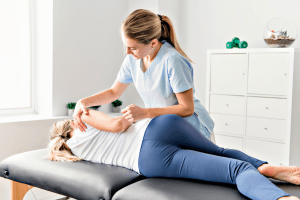
Treatment may involve manual techniques aimed at improving joint mobility, reducing muscle tension, and supporting circulation to affected tissues.
Rather than focusing only on the site of pain, osteopathy looks at how the whole body moves. For example, a knee injury may relate to hip strength or ankle mobility, while shoulder pain may connect to spinal movement or upper back posture.
The aim is to support the body’s natural recovery processes while addressing contributing factors that may increase the risk of re-injury.
The Role of Pilates in Recovery
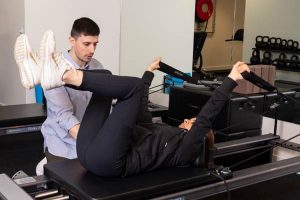
Pilates is a form of structured exercise that emphasises controlled movement, breathing, and body awareness. In a rehabilitation setting, pilates is often adapted to suit individual needs and injury stages.
Modern professional programs typically focus on improving core stability, flexibility, balance, and coordination, and exercises are progressed gradually, allowing people to rebuild strength without overloading healing tissues.
When guided by trained practitioners, pilates may complement manual therapy by reinforcing movement patterns introduced during treatment sessions.
Why a Combined Approach is Sometimes Used
Osteopathy and pilates address different aspects of recovery.
Manual therapy may assist with mobility and symptom management, while exercise-based rehabilitation focuses on long-term strength and movement control.
Together, they may support:
- Gradual return to daily activities and work demands
- Improved awareness of posture and movement habits
- Progressive strengthening of injured or underused muscles
- Better confidence with functional tasks such as lifting, walking, or reaching
Importantly, rehabilitation plans are usually tailored based on injury type, activity level, and personal goals.
What to Expect From an Individualised Program
Recovery programs generally begin with a thorough assessment, including reviewing how the injury occurred, current symptoms, medical history, and movement patterns.
From there, a care plan may involve a combination of osteopathic treatment sessions and supervised Pilates-based exercises.
With progress, exercises are adjusted to match improving strength and mobility. Education around pacing, load management, and return-to-activity strategies also forms part of care.
If you’re recovering from workplace or transport-related injuries, TAC and WorkCover in Rosanna may provide access to appropriate rehabilitation services, depending on eligibility and referral processes.
Risks and Considerations
As with any form of physical rehabilitation, there are considerations to keep in mind.
Some people experience temporary soreness after manual therapy or exercise, particularly when reintroducing movement to previously restricted areas. Progress is usually gradual, and programs are adjusted if symptoms increase.
It is also important that rehabilitation is guided by qualified health professionals, particularly for complex or persistent injuries. In some cases, referral back to a GP or imaging may be recommended if recovery does not progress as expected.
When to Seek Professional Support
You may consider assessment if pain persists beyond the expected healing timeframe, movement feels limited, or returning to normal activities feels challenging.
Early review may also be helpful if injuries tend to recur or if confidence in movement remains low.
A Supportive Path Forward
At Excel Body & Health, Andrew and Celeste bring a thorough and energetic approach to rehabilitation, focusing on assessment, education, and tailored care.
Their aim is to leave patients feeling informed and empowered as they work through recovery.
If you are navigating injury rehabilitation, connecting with a qualified team offers an opportunity to better understand your movement patterns and explore appropriate next steps in a supportive clinical environment.