Have you recently experienced a work injury? Or perhaps you’re still navigating the recovery process and wondering when it will feel right to return to your normal routine.
While the initial pain may have started to settle, it’s common to still experience uncertainty about how your body will handle the physical demands of work.
For many people, returning to work after an injury is an important milestone in recovery, but the transition can still present challenges.
In this article, we explore some of the difficulties people may experience and how an osteo may help support a smoother return to work.
If you need support with TAC and WorkCover injuries in Rosanna, reach out to our team at Excel Body & Health. We’re here to help guide you through the process and support your recovery
The Challenges of Returning to Work After an Injury
Returning to work after an injury is an important step in the recovery process, but the transition may still present challenges.
Even after symptoms begin to improve, some people may experience reduced strength, lingering pain, or uncertainty about returning to normal duties.
Work-related injuries remain relatively common in Australia. According to Safe Work Australia, around 3.5% of Australian workers experience a work-related injury or illness each year.
During the transition back to work, people may experience:
- Lingering pain or stiffness
- Reduced strength or mobility
- Difficulty performing certain work tasks
- Concerns about aggravating the injury again
A gradual and well-supported return to work may help individuals rebuild confidence and resume their daily responsibilities.

How Osteopathy may Support Your Recovery
Osteopathy focuses on how the muscles, joints, and surrounding structures work together to support movement and function.
After an injury, these systems may not always return to normal immediately, particularly if pain, stiffness, or altered movement patterns have developed during recovery. However, an osteopath may use several methods to help.
Assessing Movement and Function
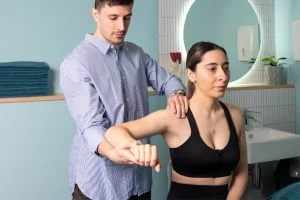
An osteopath may assess how your body is moving and identify areas that may still be under strain. This assessment may help determine which muscles, joints, or movement patterns could be contributing to ongoing discomfort when returning to work activities.
Mobility and Discomfort
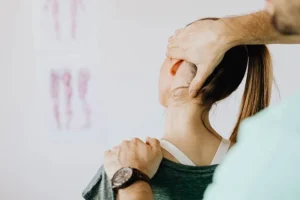
Treatment may involve hands-on techniques designed to support joint mobility and reduce muscle tension. These approaches may help improve comfort during everyday movements such as lifting, walking, or sitting for extended periods.
Strength and Rehabilitation
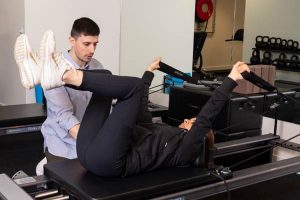
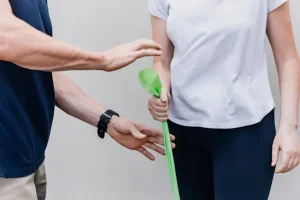
Recovery often involves gradually rebuilding strength and stability. An osteopath may recommend tailored exercises to support rehabilitation and help improve functional movement needed for work tasks.
Guidance for a Gradual Return to Work
Osteopaths may also provide advice on posture, workplace ergonomics, and pacing activities. This guidance may help individuals return to work in a gradual and sustainable way while reducing the risk of aggravating the injury.
By supporting movement, strength, and function, osteopathic care may help people feel more confident as they transition back into their usual work activities.
Common Workplace Injuries Osteopaths Often Treat
Workplace injuries can affect people in many different industries, from physically demanding roles to desk-based jobs. Many of these injuries involve the muscles, joints, and connective tissues that support everyday movement.
According to Safe Work Australia, body stressing, including lifting, pushing, pulling, and repetitive movements, accounts for around 34.5% of serious workers’ compensation claims.
Because these injuries often affect mobility and physical function, they may benefit from a rehabilitation approach that focuses on movement and musculoskeletal health.
Some common workplace injuries include:
- Back and Neck Pain: Often linked to lifting, repetitive tasks, or prolonged sitting.
- Shoulder and Arm Strain: May develop from overhead work, lifting, or repeated arm movements.
- Repetitive Strain Injuries: Can occur with tasks such as typing, assembly work, or repetitive manual activities.
- Postural Strain: Common in desk-based roles where prolonged sitting may place stress on the neck, shoulders, and lower back.
Supporting a Sustainable Return to Work
Returning to work after an injury is most successful when the transition is gradual and well-supported. Rebuilding strength, improving movement, and managing work demands may all play an important role in reducing the risk of further strain.
At Excel Body & Health, osteopaths may support this process by assessing how your body is functioning after injury and guiding a structured return to work.
Support may include:
- Movement Assessment
Our team may assess how your body moves during tasks such as lifting, bending, or sitting to help identify areas that may still be under strain. - Hands-On Treatment
We may use osteopathic techniques that aim to support joint mobility and reduce muscle tension that could be affecting your ability to work comfortably. - Rehabilitation Exercises
Our team may provide personalised exercises designed to help rebuild the strength, stability, and endurance needed for daily work activities. - Workplace and Ergonomic Advice
We may offer guidance on posture, workstation setup, lifting techniques, and activity pacing to help reduce strain as you return to your role. - Return-to-Work Documentation
Our team may assist with relevant documentation, including certificates of capacity and claim paperwork where appropriate, to help support your return-to-work process.
By addressing movement, strength, and workplace demands together, osteopathic care may help support a smoother transition back into your regular duties while continuing the recovery process.
When it may be Helpful to Seek Professional Support
While many people gradually return to work after an injury, some may continue to experience symptoms that make the transition more difficult. Ongoing pain, stiffness, or reduced mobility may affect your ability to perform certain tasks comfortably.
If symptoms persist or begin to interfere with your work duties, seeking professional support may help identify any underlying issues and guide appropriate management.
You may consider speaking with an osteopath if you notice:
- Pain that continues during work activities
- Difficulty performing tasks such as lifting, bending, or prolonged sitting
- Reduced strength, mobility, or endurance
- Symptoms that worsen after returning to work
Early support may help address movement issues, support recovery, and guide an easier progression back to normal activities.
Make the Transition Back to Work With Excel Body & Health
Returning to work is an important milestone, but recovery may need to continue as your body adjusts to the demands of regular work. At Excel Body & Health, our osteopathy team regularly supports people recovering from musculoskeletal injuries.
Through assessment, hands-on treatment, and rehabilitation guidance, we may help patients continue improving strength, mobility, and function as they return to their normal routines.