If you have ever pressed into a tight, tender spot on your neck or upper back and felt a hard lump beneath your fingers, you have likely encountered a muscle knot. For many Australians, these knots are a persistent source of discomfort that does not simply disappear with rest.
Osteopathy offers a structured, hands-on approach that may help address muscle knots and the factors that contribute to them. This article explains what muscle knots are, why they develop, and how osteopathic care may be able to help.
If you are looking for personalised advice from an osteo in Rosanna, contact our team at Excel Body & Health today.
What are Muscle Knots?
Muscle knots are medically referred to as myofascial trigger points (MTrPs). They are localised areas of heightened sensitivity within the muscle tissue, found within taut, contracted bands of muscle fibres.
To the touch, they can feel like small, firm nodules or lumps, and pressing on them often produces localised pain or, in some cases, referred pain in a completely different area of the body.
Trigger points are classified as either active or latent. Active trigger points produce spontaneous pain, meaning you may feel discomfort without applying any direct pressure.
Latent trigger points, on the other hand, are only painful when pressed upon and may not produce obvious symptoms day-to-day. Both types can contribute to muscle tightness and stiffness, restricted range of movement, and reduced overall function.
Trigger points remain a complex and debated topic within the scientific community. However, what is broadly agreed upon is that they cause real, measurable discomfort and that manual therapy approaches may offer meaningful relief.
What Causes Muscle Knots?
Muscle knots do not typically develop overnight. They are most commonly the result of accumulated physical stress on the muscle tissue. Several factors are known to contribute to their formation, including:
- Sustained poor posture, particularly in people who sit at a desk for long periods
- Repetitive movements or overuse of specific muscle groups
- Physical injury or trauma to the muscle
- Psychological stress, which often leads to unconscious muscle bracing or tension
- Deconditioning or muscle weakness, which reduces blood flow and elasticity within the tissue
- Nutritional deficiencies, including low levels of B vitamins, vitamin C, iron and potassium, which have been associated with myofascial pain
When a muscle is overloaded or under chronic strain, certain chemical changes occur at the nerve-muscle junction. This leads to sustained contraction of a small portion of the muscle, which in turn restricts local blood flow, reduces oxygen delivery, and creates a feedback loop of tension and pain.
The result is the recognisable firm, tender knot that many people feel when they press into their upper trapezius, shoulder blade area, or lower back.
Identifying and addressing the factors contributing to myofascial pain, including posture and movement habits, is an important component of management.
How May Osteopathy Help With Muscle Knots?
Osteopathy is a regulated allied health profession in Australia, governed by the Osteopathy Board of Australia. All registered osteopaths in Australia complete a minimum of five years of university-level training, equipping them with a thorough understanding of anatomy, physiology, and musculoskeletal health.
Osteopaths are trained to assess and manage musculoskeletal conditions, including those involving myofascial pain and trigger points. Treatment is individualised based on clinical assessment, and osteopaths do not take a one-size-fits-all approach.
Here is how osteopathic care may assist with muscle knots:
1. Soft Tissue Therapy and Trigger Point Release
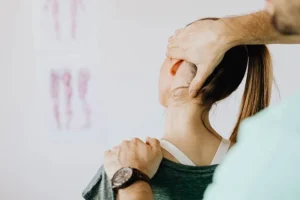
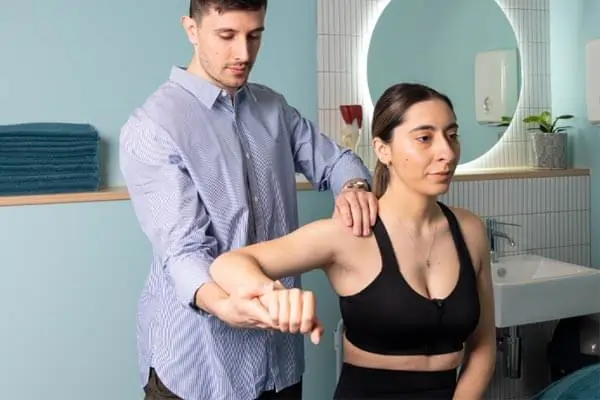
One of the primary hands-on techniques used by osteopaths for muscle knots is sustained, targeted pressure applied directly to the trigger point.
This technique, often referred to as ischaemic compression or trigger point therapy, encourages the tight band of muscle to relax. This aims to restore more normal circulation to the area and reduce localised pain.
Gentle, sustained pressure over a trigger point can release accumulated tension and restore normal blood flow, which is central to addressing both local and referred discomfort.
Osteopaths are skilled at identifying not only the site of the knot but also the referred pain patterns that may be producing symptoms elsewhere in the body.
2. Myofascial Release
Myofascial release is a gentle manual technique in which the osteopath applies slow, sustained pressure to the fascial connective tissue that surrounds and supports the muscles.
Restrictions in the fascia may perpetuate muscle knots and contribute to ongoing muscle tightness and stiffness. By releasing tension in the fascial network, myofascial release may help to reduce the load placed on the underlying muscle tissue.
3. Joint Mobilisation and Manipulation
Restricted joints in the spine or surrounding regions can place additional demand on nearby muscles, contributing to the formation or persistence of trigger points.
Osteopaths may use joint mobilisation or manipulation techniques to restore normal joint movement, which in turn may reduce the muscular overload that feeds into muscle knot development.
4. Movement and Rehabilitation Advice
A core principle of osteopathic practice is identifying why a problem has developed, not simply addressing the symptom in isolation. An osteopath will typically assess your posture, movement patterns, and daily habits to understand what may be perpetuating the muscle knots.
From there, they may provide tailored advice on stretching, strengthening exercises, ergonomic adjustments at your workstation, and activity modifications to support longer-term recovery and potentially reduce the likelihood of recurrence.
A Holistic Approach to Muscle Knot Treatment
A defining feature of osteopathy is its holistic approach to patient care. Osteopaths consider the whole person, not just the site of pain. When assessing muscle knots, an osteopath may consider how factors such as sleep quality, stress levels, nutrition, general physical activity, and postural habits all interact to influence musculoskeletal health.
This perspective aligns with current evidence on chronic musculoskeletal pain, which recognises that pain is influenced by a broad range of physical, psychological and lifestyle factors.
Rather than simply releasing the knot during a single appointment and considering the job done, an osteopath aims to understand the broader context of why the knots are occurring and work with you to address those underlying contributors.
What to Expect at Your First Appointment
At your first osteopathic consultation, your practitioner will take a detailed health history, asking about your symptoms, how long you have had them, what makes them better or worse, your general health, occupation, and lifestyle.
A physical assessment will typically follow, which may include postural analysis, range of movement testing, and palpation of the affected muscle groups.
Your osteopath will then discuss their clinical findings with you and outline a proposed treatment plan. Informed consent is a fundamental requirement under AHPRA guidelines, meaning your osteopath should explain what they intend to do, why, and what outcomes you may expect before any treatment begins.
It is worth noting that muscle knots, particularly those that have been present for a long time, may require more than one appointment to address. Your osteopath will discuss realistic goals and timelines with you based on your individual presentation.
When to See a Healthcare Professional
If you are experiencing persistent muscle pain, significant restriction in movement, or pain that is not improving with self-care measures such as gentle stretching, heat therapy, or rest, it is worth seeking professional assessment.
It is recommended to consult a healthcare professional when muscle pain is ongoing, unexplained, or accompanied by other symptoms such as fever, weakness, or significant swelling.
Osteopaths are trained to identify when a condition falls outside their scope of practice and to refer appropriately to general practitioners, specialists, or other allied health professionals when necessary.
Supporting Your Recovery at Home
Between appointments, there are practical steps you may be able to take to support your recovery and reduce the likelihood of muscle knots returning. These include:
- Take regular breaks from prolonged sitting and incorporate short walks or stretching into your day
- Apply gentle heat to persistently tight areas to promote circulation and muscle relaxation
- Stay well hydrated, as dehydration can contribute to muscle fatigue and cramping
- Incorporate regular low-impact exercise, such as walking or swimming, to maintain overall muscle health
- Practise stress management techniques such as mindful breathing or gentle yoga, as psychological stress is a well-recognised contributor to muscle tension
- Review your workstation setup to ensure your monitor, chair height, and keyboard position are not placing unnecessary strain on your neck and upper back
Hoping to Find Relief? Visit the Team at Excel Body and Health
Muscle knots are a common and often frustrating complaint, but they are not something you simply have to endure. Osteopathy offers a clinically informed, patient-centred approach to assessing and managing myofascial trigger points, aiming to address both the symptoms you feel and the factors that may be driving them.
At Excel Body and Health, our experienced osteopaths take the time to understand your individual presentation, lifestyle, and health goals.
Whether you are dealing with persistent neck tension, upper back tightness, or referred pain you cannot quite explain, we want to help you move and feel better. Book an initial consultation with our team today.